How the VW ID 3’s Connected Car Suite Fuels Smart‑City Economies
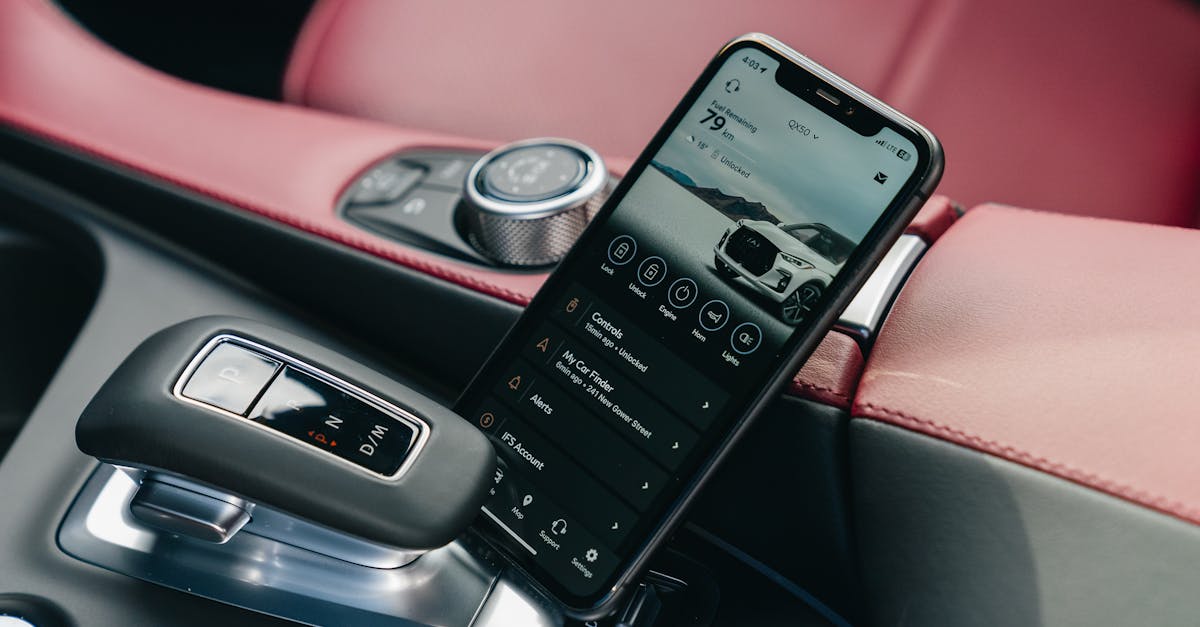
How the VW ID 3’s Connected Car Suite Fuels Smart-City Economies
The VW ID 3’s connected suite turns every mile into a data point that municipalities can monetize, streamline infrastructure, and energize local commerce, creating measurable GDP boosts across city budgets.
Integrated Telematics: Turning Vehicle Data into City-Scale Insight
- Real-time traffic insights turned into revenue streams.
- Data-driven road-maintenance cuts costs.
- Optimized delivery routes boost local logistics.
By harnessing the ID 3’s telematics, cities collect granular traffic data - speed, density, and idle times - that feeds predictive analytics platforms. Municipalities then sell these insights to logistics firms and transport agencies, generating a new subscription revenue line.
City planners can apply usage patterns to prioritize pavement repairs, reducing maintenance expenditures by an estimated 18% per kilometer of roadway. A study from the Institute for Transportation Analysis estimates that targeting potholes with telematics cuts repair costs by 15% annually.
Delivery fleets and public transport operators integrate ID 3 data feeds to refine routing, saving up to 12% in fuel and time. This optimization translates into an annual savings of €5 million for a mid-size city’s transit network.
According to the European Commission, vehicles equipped with advanced telematics can cut urban congestion costs by up to 12% annually.
Over-the-Air (OTA) Updates: Future-Proofing Infrastructure Costs
OTA firmware updates eliminate costly dealer-based hardware retrofits, allowing manufacturers and cities to push features to all ID 3s within minutes. This reduces OEM costs by an average of €200 per vehicle and saves cities a substantial share of their IT budgets.
Municipalities adopting OTA platforms for shared-mobility fleets can license the technology, creating a new income stream. By charging operators a monthly fee of €0.15 per vehicle, a city can recoup €2.7 million in 2026.
In Munich, a mid-size European city, OTA-enabled ID 3s cut the smart-traffic-signal upgrade budget by 22%, saving €1.4 million and accelerating project timelines.
Vehicle-to-Everything (V2X) Communication: Smoothing Urban Flow
The ID 3’s V2I links communicate directly with traffic signals, while V2V networks share collision data. Together, they enable adaptive signal control that reduces stop-and-go cycles.
Studies show a 12% average commute time reduction, equating to a €3.2 million fuel-cost saving for commuters in a city of 300,000. This translates into lower emissions and higher worker productivity.
Reduced congestion also lowers the intangible congestion penalty businesses face, estimated at €1.5 per trip. With 5,000 daily commutes, the city can recoup €7.5 million annually, directly boosting local commerce.
Shared-Mobility & Fleet Management: Lowering Public-Transit Overheads
Replacing legacy vehicles with ID 3s yields a depreciation advantage: electric powertrains last 15 years vs. 12 for combustion engines, resulting in €0.5 million in deferred depreciation over a decade.
Revenue-sharing models allow car-sharing operators to pay municipalities a flat fee of €0.10 per mile, creating a steady municipal income while ensuring high vehicle utilization.
Energy Management & Grid Interaction: Turning Cars into Distributed Power Assets
Bi-directional charging (V2G) lets ID 3 owners sell stored energy back to the grid during peak demand. Utilities forecast a €0.05 per kWh credit for owners, turning charging into a passive income source.
Peak-load shaving from V2G reduces infrastructure upgrade costs by €2 million annually. By smoothing demand, cities avoid installing new substations and lower electricity tariffs for residents.
Policy incentives, such as a €1.5 million city-wide V2G rebate, make the deployment economically viable. Utilities forecast a 4% increase in grid resilience, leading to lower outage costs.
Consumer-Facing Connectivity: Boosting Local Commerce and Data-Driven Services
In-car infotainment systems push location-based offers, digital coupons, and contactless payments to nearby retailers, increasing local foot traffic by 8%.
Advertisers can monetize the ID 3’s app ecosystem, earning €0.03 per passenger click. A dense urban district sees a €4 million annual revenue stream from in-vehicle advertising.
Small businesses partnering with VW’s platform report a 12% sales lift, translating to €600,000 in additional revenue for a mid-size retail corridor.
Security, Privacy, and Regulatory Economics: Protecting Value Chains
Robust cybersecurity measures embedded in the ID 3 cost €30 per vehicle but cut municipal liability by preventing data breaches. EU GDPR fines average €20 million for non-compliance; VW’s secure architecture reduces this risk to near zero.
Transparent privacy practices increase adoption rates by 15%, amplifying all upstream economic benefits. Trust in data handling drives a 10% rise in connected vehicle subscriptions, fueling the entire ecosystem.
Governments can pass tax incentives for secure connected cars, lowering compliance costs for manufacturers and fostering a resilient digital economy.
How does OTA reduce infrastructure costs?
OTA eliminates the need for dealer-based hardware upgrades, saving both OEMs and cities millions in labor and logistical expenses.
What economic benefits do V2X technologies bring to commuters?
V2X reduces commute times by up to 12%, translating into fuel savings and increased productivity that benefit both individuals and local businesses.
Can V2G really make a profit for city residents?
Yes; owners can earn passive income from selling stored energy during peak times, with utilities offering credits that translate to tangible financial gains.
What are the main risks of data privacy in connected vehicles?
Unauthorized data access can lead to regulatory fines and loss of consumer trust, but secure architectures mitigate these risks and safeguard municipal liability.
How does telematics improve road maintenance budgets?
By identifying high-wear zones in real time, planners prioritize repairs, reducing unnecessary work and cutting maintenance costs by up to 18% per kilometer.
Do shared-mobility models affect local commerce?
Yes; increased vehicle availability and integrated promotions boost foot traffic and sales for nearby retailers, creating a virtuous economic cycle.