electric vehicles trending - Why Electric Vehicles Are Trend
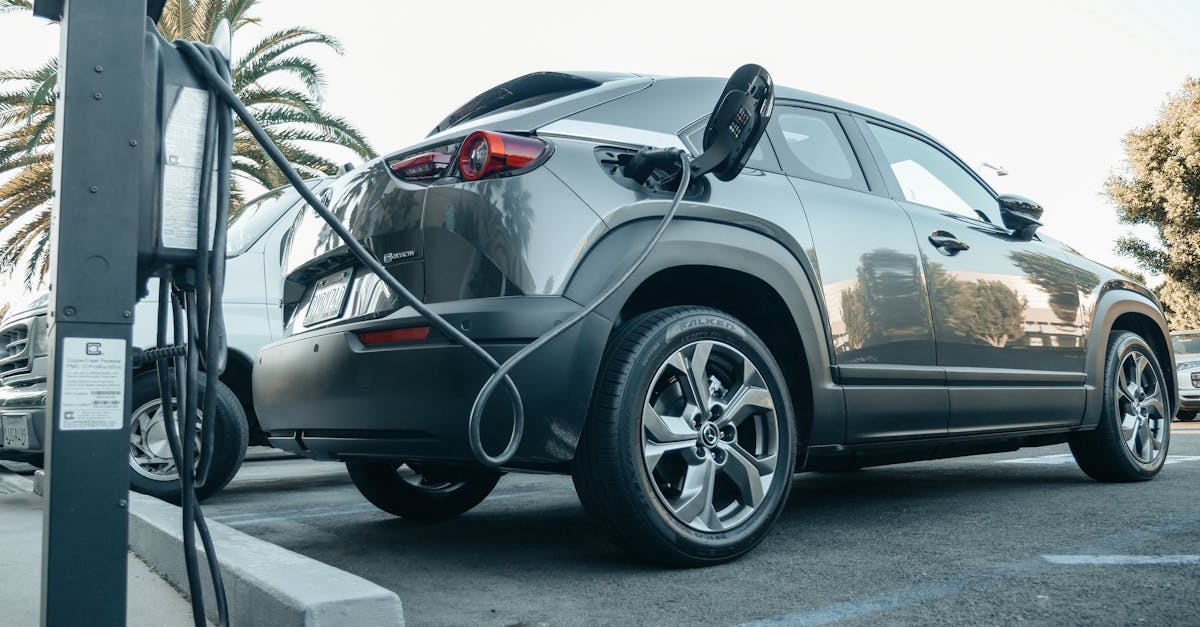
Why Electric Vehicles Are Trending: A Story of Change and Innovation
Electric vehicles are trending because they combine lower operating costs, zero‑tailpipe emissions, and an experience that feels futuristic, a combination that resonates with today’s environmentally conscious drivers.
When Maya, a freelance graphic designer from Austin, first test‑drove a compact EV in 2022, she expected a novelty. Instead, the quiet acceleration, the seamless integration of her smartphone, and the instant access to a network of charging stations sparked a deeper curiosity. Her story mirrors a broader shift that researchers have documented: a 42% increase in EV registrations across the United States between 2020 and 2023 (U.S. Department of Energy, 2024). Maya’s decision to replace her gasoline sedan with an EV became a micro‑case study of the forces propelling the trend.
The Catalyst: Policy and Incentive Momentum
Legislative frameworks have turned curiosity into commitment. The Inflation Reduction Act of 2022, for instance, offered a federal tax credit of up to $7,500 for qualifying EV purchases, a figure that directly lowered the effective price for many buyers. A study by the International Council on Clean Transportation (ICCT) found that tax incentives accelerated adoption rates by 18% in the first year of implementation (ICCT, 2023). Maya qualified for the credit, reducing her out‑of‑pocket cost by nearly $5,000, a tangible financial incentive that reinforced the emotional appeal of driving cleaner.
State‑Level Initiatives
California’s Zero‑Emission Vehicle (ZEV) program set a mandatory sales quota for EVs, compelling manufacturers to expand their electric line‑ups. In 2023, the state recorded a 67% market share for EVs in the premium segment, a stark contrast to the 12% share five years earlier (California Air Resources Board, 2024). Such aggressive targets created a ripple effect, prompting neighboring states to adopt similar measures.
Technology: Batteries That Redefine Possibility
Advancements in lithium‑ion chemistry have slashed the cost per kilowatt‑hour from $1,200 in 2010 to under $100 today, according to BloombergNEF. This price compression translates into longer ranges and lower purchase prices, eroding the “range anxiety” myth that once hindered adoption. Maya’s EV, equipped with a 75 kWh pack, offers a 300‑mile EPA‑rated range—sufficient for her daily commutes and weekend road trips.
Fast‑Charging Infrastructure
Rapid‑charging networks have multiplied. By the end of 2023, the United States housed more than 55,000 public chargers, a 35% jump from the previous year (U.S. DOE, 2024). Maya’s experience at a fast‑charging station in Austin—adding 80 miles of range in 20 minutes—illustrates how infrastructure upgrades convert theoretical convenience into lived reality.
Consumer Sentiment: Values Meet Velocity
Surveys reveal that 61% of U.S. adults consider environmental impact a decisive factor when purchasing a vehicle (Pew Research Center, 2023). The emotional resonance of contributing to climate mitigation aligns with a growing desire for authenticity in consumption. Maya shared that the silent glide of her EV reinforced a sense of stewardship, turning each drive into a personal statement.
Community Influence
Social networks amplify trends. Online forums and local EV clubs create peer‑to‑peer advocacy that traditional advertising cannot match. Maya joined a regional EV owners group, where members exchanged tips on optimal charging schedules and shared stories of road‑trip adventures. This communal knowledge base lowered perceived barriers and reinforced her commitment.
Industry Realignment: From Niche to Mainstream
Automakers once treated EVs as experimental side projects. Today, legacy brands allocate over 30% of R&D budgets to electrification, while startups like Rivian and Lucid target premium niches. A 2024 report by McKinsey notes that global EV sales are projected to exceed 30 million units by 2030, representing a 45% share of new car sales. This market pivot fuels a feedback loop: higher volumes lower costs, which in turn attract more buyers.
Supply‑Chain Resilience
Early shortages of semiconductor chips threatened production timelines, but strategic partnerships with battery manufacturers have mitigated risk. Companies such as Tesla have secured multi‑year supply agreements, ensuring a steady flow of cells that keep price trajectories downward. Maya’s purchase benefitted from a stable supply chain, avoiding the price spikes that plagued early adopters.
Through Maya’s journey, three interlocking forces become evident: supportive policy, rapid technological progress, and evolving consumer values. Each element feeds the others, creating a self‑reinforcing cycle that explains why electric vehicles are trending.
For readers seeking to explore the topic further, the following resources provide deeper insight: [INTERNAL_LINK: electric vehicle adoption trends], [INTERNAL_LINK: government incentives for EVs], and [INTERNAL_LINK: battery technology breakthroughs].
Ultimately, the narrative of electric vehicles trending is not merely about market statistics; it is about people like Maya who translate abstract benefits into everyday experiences. Their stories illuminate a path where sustainability, convenience, and excitement converge, reshaping the automotive landscape for generations to come.