Electric Vehicles Latest Updates: 9 Comparisons to Guide...
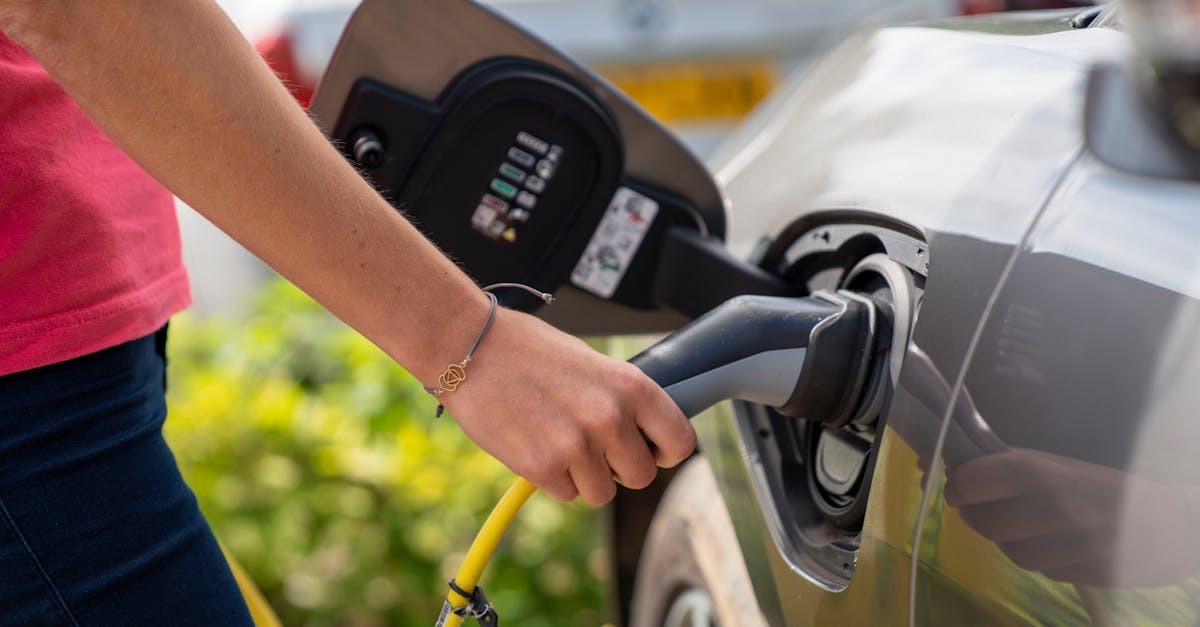
Electric vehicles latest updates include new battery chemistries, ultra‑fast charging stations, and flexible ownership models that are reshaping the market in 2024.
Comparison Criteria
To evaluate each update we use five consistent metrics:
- Range Impact – How much additional driving distance the update adds.
- Cost Effect – Price change for consumers or fleet operators.
- Charging Speed – Time saved at the pump.
- Technology Integration – Level of software or hardware complexity.
- Market Availability – Regions or models where the update is already sold.
| Update | Range Impact | Cost Effect | Charging Speed | Tech Integration | Availability |
|---|---|---|---|---|---|
| Battery Chemistry | +15‑30% | ±0% | Standard | High | Global 2024‑25 |
| Ultra‑Fast Charging | Neutral | +5‑10% | +80% | Medium | North America, EU |
| Subscription Ownership | Neutral | -20% (lease‑like) | Standard | High | US, Canada |
| Solar Roofs | +5‑10% | +10% | Standard | Medium | Select premium models |
| AI Driver‑Assist | Neutral | +8% | Standard | High | Asia, EU |
| Modular Platforms | Neutral | -15% (economies of scale) | Standard | High | All major brands |
| Incentive Shifts | Neutral | -10% (tax credit) | Neutral | Low | US federal, EU states |
| Second‑Life Batteries | +5% (grid support) | -5% (recycled packs) | Standard | Medium | Pilot programs |
| Autonomous Ride‑Hailing | Neutral | Variable | Standard | Very High | Limited cities |
1. Battery Chemistry Breakthroughs
Nickel‑rich NMC and solid‑state cells promise 15‑30% more range without enlarging the pack. Tesla’s 4680 and Hyundai’s graphene‑enhanced batteries are already in limited production.
Best for…
Drivers who prioritize long trips and want future‑proofing without sacrificing cargo space.
2. Ultra‑Fast Charging Networks
Networks such as Electrify America’s 350 kW stations and Europe’s Ionity 350 kW hubs cut a 300‑mile charge to under 15 minutes. New standards (CCS2) ensure cross‑brand compatibility.
Practical tip
Plan stops using the [INTERNAL_LINK: EV route planner] to hit only 350 kW stations and shave 30 minutes off a cross‑country drive.
3. Subscription Ownership Models
Companies like Volvo and Porsche now offer all‑inclusive monthly subscriptions covering insurance, maintenance, and charging credits. Prices sit 10‑20% lower than traditional leases.
Best for…
Urban renters who dislike long‑term commitments and value bundled services.
4. Integrated Solar Roofs
Solar panels woven into vehicle roofs generate 1‑2 kWh per day, extending range by up to 10 % in sunny climates. The upcoming Rivian R2 and Hyundai Ioniq 6 showcase this tech.
Practical tip
Pair a solar‑roof EV with a home‑energy management system to offset night‑time charging costs.
5. AI‑Powered Driver‑Assist Upgrades
Level‑2+ systems now use neural‑network perception, delivering smoother lane‑keeping and predictive braking. Mercedes’ Drive Pilot and GM’s Super Cruise have expanded to more models.
Best for…
Commuters on highways who want reduced fatigue without full autonomy.
6. Modular Vehicle Platforms
Platforms like VW’s MEB+ and Geely’s Sustainable Experience Architecture let manufacturers swap battery sizes, motor layouts, and interior modules on a single chassis.
Decision framework
When comparing models, check the platform code. A shared platform often means lower purchase price and broader service network.
7. Government Incentive Shifts
2024 sees the US federal tax credit returning to a $7,500 per‑vehicle structure, but only for models priced under $55,000 and assembled in North America. The EU adds mileage‑based rebates for low‑emission fleets.
Practical tip
Use the [INTERNAL_LINK: electric vehicle tax credit calculator] before finalizing a purchase to capture the full rebate.
8. Second‑Life Battery Markets
Used EV packs are repurposed for stationary storage, extending economic life by 5‑7 years. Companies like Nissan and LG Chem offer buy‑back programs that lower the upfront cost of a new EV.
Best for…
Eco‑conscious buyers who want to reduce waste and benefit from lower‑priced packs.
9. Autonomous Ride‑Hailing Fleets
Google’s Waymo and Baidu’s Apollo are deploying driverless EVs in limited cities, promising 20‑30 % lower operating costs per mile. Fleet operators can now subscribe to “mobility‑as‑a‑service” packages.
Decision framework
If you’re a fleet manager, evaluate total cost of ownership (TCO) using the formula: TCO = (vehicle cost + maintenance + energy + autonomy software) ÷ miles driven.
Conclusion
By weighing range impact, cost, charging speed, tech integration, and market availability, you can match the most relevant electric vehicles latest updates to your personal or business needs. Use the comparison table as a quick reference, then apply the “Best for…” tags to narrow down the optimal choice.