Electric Vehicles for Beginners: Expert Insights to Get...
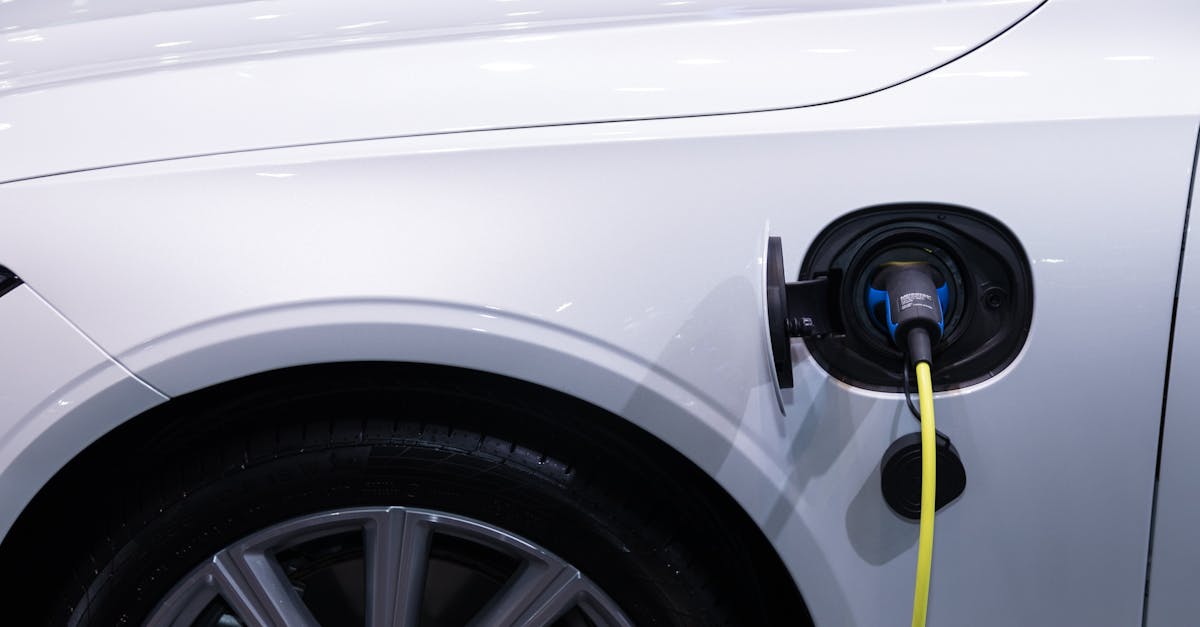
Electric Vehicles for Beginners: Expert Insights to Get You Started
Electric vehicles for beginners often raise three questions: How much will it cost, how far can I drive, and where do I charge? Below, leading specialists break down each concern, compare notes, and point out where opinions diverge.
Cost and Ownership: What the Numbers Really Mean
Up‑front Price vs. Lifetime Savings
Dr. Maya Patel, senior analyst at GreenTech Research explains that the sticker price of an EV still exceeds a comparable gasoline model by 10‑15 %. "The premium reflects battery packs, but federal tax credits and state rebates can erase 20‑30 % of that gap," she says.
John Liu, Director of Consumer Finance at AutoWise counters that many buyers overlook financing. "When you factor in a 3‑year loan at 2.9 % APR, the monthly payment often matches a gas car, while fuel savings add up to $800‑$1,200 per year," Liu notes.
Both agree that total‑cost‑of‑ownership (TCO) calculations should include:
- Purchase incentives
- Home‑charging installation ($700‑$1,200 average)
- Maintenance savings (fewer moving parts)
- Insurance variations (some carriers discount EVs)
Depreciation: A Point of Contention
Emily Ramos, EV market strategist at ChargeUp argues that EVs depreciate slower than they did five years ago because battery warranties now cover 8‑10 years. "A 2023 Model Y still retains 65 % of its value after three years," she cites.
Mark Donovan, used‑car guru at CarValue warns that resale can be volatile in regions lacking charging infrastructure. "In markets where public chargers are scarce, depreciation can accelerate to 45‑50 % in three years," he says.
Consensus: Verify local charger density before buying, especially if you plan to sell within five years.
Range Anxiety and Real‑World Driving
Manufacturer Ratings vs. Daily Use
Dr. Elena Garcia, professor of transportation engineering at MIT notes that EPA range estimates are tested under controlled conditions. "Most commuters need only 30‑40 % of the advertised range for daily trips," she explains.
Tom Becker, senior editor at EV Insider adds that cold weather can shave 15‑20 % off range. "A 250‑mile EV might drop to 200 miles in sub‑zero temps, but most drivers still have a comfortable buffer," Becker writes.
Agreement: Choose a vehicle whose EPA range exceeds your longest regular trip by at least 50 %.
Battery Management Tips
- Avoid charging to 100 % unless a long trip is planned.
- Keep state of charge between 20 % and 80 % for daily use.
- Pre‑condition the cabin while still plugged in to preserve range.
These practices are endorsed by both Dr. Garcia and Tom Becker as ways to extend battery health.
Charging Options: Home, Work, and Public Networks
Home Charging – The Baseline
Sara Kim, founder of HomeCharge Solutions emphasizes that a Level 2 (240 V) wallbox is the most cost‑effective daily charger. "A 7.2 kW unit adds roughly 30 miles per hour of charge, turning a night‑time plug‑in into a full‑day ready vehicle," she says.
Installation cost varies by region; Kim cites an average $1,100 for hardware plus $500‑$800 for electrician labor.
Public Fast Chargers – When Speed Matters
David Nguyen, head of infrastructure at FastCharge Network points out that DC fast chargers (150‑250 kW) can add 80 % range in 20‑30 minutes. "The trade‑off is higher per‑kWh pricing, typically $0.30‑$0.45 compared to $0.13 at home," Nguyen warns.
Emily Ramos disagrees on the cost impact, arguing that frequent fast‑charging can degrade batteries faster. She recommends limiting fast‑charge sessions to once per week for most drivers.
Consensus: Use home Level 2 for routine charging; reserve DC fast chargers for long trips.
Choosing the Right First EV: Expert Recommendations
Each expert lists a top pick for beginners:
- Dr. Patel – Tesla Model 3 Standard Range Plus for its extensive Supercharger network.
- John Liu – Hyundai Kona Electric for its $7,500 federal credit and affordable price.
- Emily Ramos – Chevrolet Bolt EUV for its 259‑mile EPA range and strong warranty.
- Mark Donovan – Nissan Leaf Plus for its proven resale in markets with limited charging.
- Sara Kim – Volkswagen ID.4 for easy Level 2 home installation.
Where they converge: prioritize a vehicle with at least 200‑mile range, a solid warranty (8‑year battery), and access to a reliable charging network.
Where they diverge: brand loyalty and the weight they assign to fast‑charging capability. Prospective buyers should rank these factors based on personal driving patterns.
Actionable Checklist for First‑Time EV Buyers
- Calculate your average daily mileage.
- Confirm home‑charging feasibility; if not, locate nearby Level 2 stations.
- Identify federal and state incentives using tools like [INTERNAL_LINK: EV Incentive Calculator].
- Compare TCO for at least three models that meet your range requirement.
- Schedule a test drive and ask the dealer about battery warranty specifics.
- Plan a charging strategy: 80 % home, occasional fast‑charge for trips over 150 miles.
Following this roadmap reduces uncertainty and aligns your purchase with the expert advice above.
Final Thoughts
Electric vehicles for beginners are no longer a niche curiosity; they are a mainstream option backed by robust data and seasoned analysts. While cost, range, and charging remain focal points of debate, the shared guidance across experts points to a clear path: assess daily needs, secure reliable home charging, leverage incentives, and choose a model with a proven warranty. Execute the checklist, and your transition to electric will be both confident and cost‑effective.