When the Plug Meets the Road: A First‑Timer’s Comparison of EVs, Batteries, Charging and Tesla
The Moment the Silence Said More Than a Roar
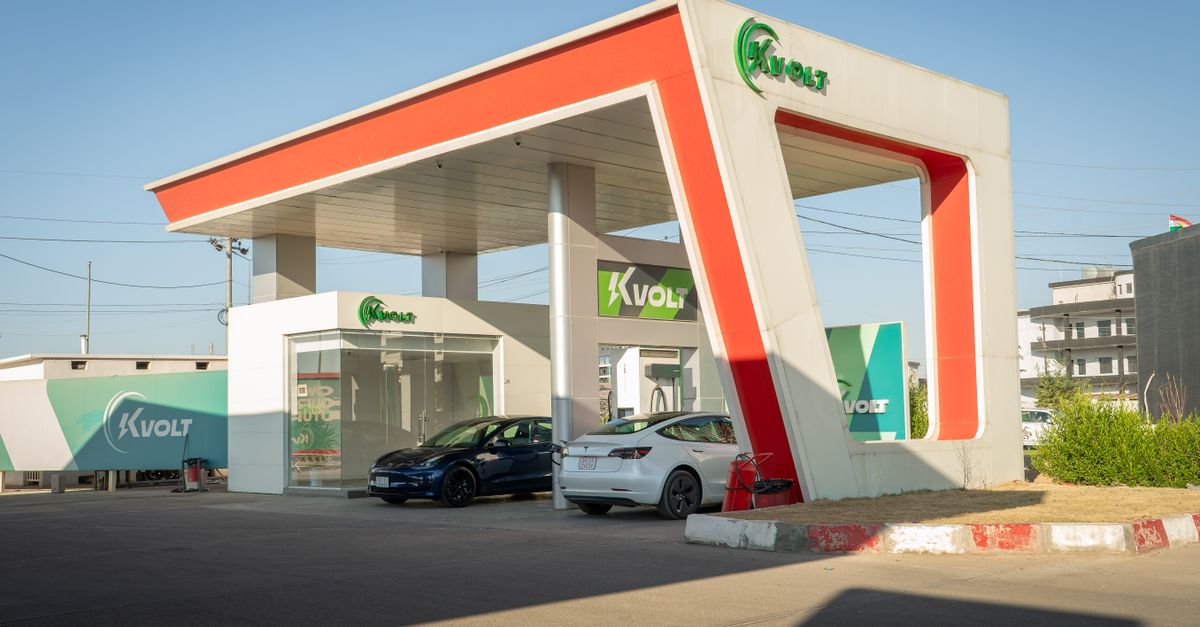
Imagine standing at a bustling downtown pump, the air thick with the smell of gasoline, when a sleek, silent car glides in. No engine growl, no exhaust plume - just a soft hum as the driver plugs a cord into a wall-mounted charger. That simple act sparks a question: what exactly is an electric vehicle and how does it differ from the familiar gasoline car?
For a newcomer, the term EV car can feel like jargon. In reality, an electric vehicle is any automobile that uses electricity stored in a battery to power an electric motor, replacing the internal-combustion engine found in traditional cars. This fundamental shift changes everything from how you start the car to where you refuel.
To make sense of the change, think of a gasoline car as a kitchen that burns coal to heat water, while an EV is a kitchen that uses a rechargeable battery as a power bank. Both cook a meal, but the source and cleanup are entirely different. The comparison below outlines the core distinctions you’ll encounter on your first EV adventure.
Key Comparison
- Power source: electricity vs gasoline
- Engine: electric motor vs internal-combustion engine
- Refueling: plug in vs pump
- Noise level: near-silent vs loud
Power Under the Hood: EV Battery vs Gasoline Engine
The heart of an electric car is its battery pack, often called the EV battery. Unlike a gasoline engine that burns fuel to create motion, a battery stores chemical energy and releases it as electricity to spin the motor. This fundamental difference reshapes performance, maintenance, and lifespan.
Battery capacity is measured in kilowatt-hours (kWh). A typical 2026 model might carry between 50 and 100 kWh, giving it a range comparable to many midsize gasoline cars. The Car and Driver guide lists more than thirty EV models for 2026, from compact hatchbacks to full-size trucks, each with its own battery size and driving range.
Maintenance is another point of contrast. A gasoline engine requires oil changes, spark plug replacements, and exhaust system checks. An EV battery, by contrast, has far fewer moving parts. Consumer Reports’ real-world range tests show that EVs retain about 85% of their EPA-rated range after several years, indicating that battery degradation is gradual and predictable.
Cost-of-ownership also diverges. While the upfront price of a battery can be high, the absence of oil, filters, and many other consumables reduces long-term expenses. A callout box below highlights a quick cost snapshot.
Battery vs Engine Cost Snapshot
- Battery replacement (once in 8-10 years): $5,000-$10,000
- Engine overhaul (once in 10-12 years): $3,000-$6,000
- Annual maintenance savings for EV: $300-$500
Charging Choices: Home, Public, and Fast-Charge Networks
Switching from a gas pump to an electric charger introduces a new set of decisions. The three main charging options are Level 1 (120 V household outlet), Level 2 (240 V home or public station), and DC fast charging. Each offers a different balance of speed, cost, and convenience.
Level 1 is the slowest, adding roughly 3-5 miles of range per hour - ideal for overnight charging at home if you drive modest distances. Level 2, the most common home solution, can add 20-30 miles per hour of charging, turning a typical night’s plug-in into a full charge for many daily drivers.
Fast chargers, like those tested by Edmunds, can replenish 150-200 miles in just 15 minutes for compatible models. This speed rivals the time it takes to refuel a gasoline car, but fast chargers are usually located along highways or in commercial parking lots. The trade-off is a higher electricity price per kilowatt-hour, similar to premium gasoline.
Choosing the right mix depends on your routine. If most trips are under 30 miles, a Level 2 home charger may be all you need. If you frequently travel long distances, pairing a home charger with occasional fast-charge stops ensures you never feel stranded.
Charging Speed Comparison
- Level 1: 3-5 miles per hour
- Level 2: 20-30 miles per hour
- DC Fast: 150-200 miles in 15 minutes
Brand Spotlight: Tesla and the Rest of the EV Landscape
When most people hear “electric car,” the name Tesla instantly appears. Tesla pioneered high-performance EVs and built an extensive Supercharger network, giving the brand a reputation for speed and convenience. Yet the market in 2026 is crowded with alternatives that challenge Tesla on price, design, and range.
For example, the Car and Driver guide lists a German automaker offering a luxury sedan with a 95 kWh battery and a range of 350 miles - slightly higher than Tesla’s Model Y real-world figure of about 280 miles, which Consumer Reports recorded as roughly 85% of its EPA rating. Meanwhile, an American truck model delivers a payload capacity comparable to a diesel truck while still providing 300 miles of electric range.
The key difference often lies in ecosystem. Tesla owners benefit from a proprietary charging network that automatically bills and directs drivers to the nearest stall. Other manufacturers rely on third-party networks such as Electrify America or ChargePoint, which may require apps or cards to start a session. This ecosystem contrast affects the user experience more than the underlying technology.
Both Tesla and its competitors use lithium-ion chemistry for their batteries, but variations in cell design and thermal management lead to differences in longevity and charging speed. The takeaway for a newcomer is that brand choice should align with your daily habits, preferred charging locations, and willingness to engage with multiple networks.
Choosing a Brand
- Prioritize charging network coverage for your routes
- Compare real-world range versus EPA estimates
- Consider upfront price versus long-term savings
Real-World Mileage: What Range Means for Everyday Life
Range anxiety - the fear of running out of charge - has long haunted potential EV buyers. Real-world tests help demystify this concern. Consumer Reports measured several 2024 EVs on mixed-city and highway routes, finding that most models delivered about 85% of their official EPA range.
"In real-world tests, EVs achieve about 85% of their EPA-rated range," reported Consumer Reports.
This gap arises from factors such as temperature, driving style, and terrain. Cold weather, for instance, can reduce battery efficiency, but the impact is less severe than many assume. A family in Minnesota reported losing only 10% of range during a winter week, thanks to pre-conditioning the cabin while the car was still plugged in.
Understanding your own driving pattern is essential. If your daily commute totals 30 miles round-trip, a vehicle with a 250-mile EPA rating provides ample buffer even after the 15% real-world reduction. For longer trips, planning stops at fast-charging stations restores confidence.
Moreover, the flexibility of charging at home means you can start each day with a full battery, effectively turning your garage into a personal fueling station. This convenience often outweighs the occasional need for a quick top-up on the road.
Range Planning Tips
- Calculate average daily miles and add a 20% safety margin
- Use the vehicle’s navigation to locate fast chargers on long routes
- Pre-heat or pre-cool the cabin while still plugged in to preserve range
Future Roadmap: How All the Pieces Fit Together
Seeing the whole picture helps first-time readers move from curiosity to confidence. An electric vehicle combines three core components: the battery pack, the electric motor, and the charging infrastructure. Each element is evolving rapidly, and their interaction determines the overall ownership experience.
Battery technology is improving, with manufacturers targeting higher energy density to squeeze more miles into the same space. Faster charging protocols are being standardized, meaning tomorrow’s fast charger may add 250 miles in 10 minutes across multiple brands. Meanwhile, public policy incentives continue to lower the effective cost of both vehicles and home chargers, making the transition more affordable.
For the individual driver, the practical steps are simple: assess your typical mileage, install a Level 2 charger if you have a garage, explore fast-charging locations along your most frequent routes, and choose a brand whose network aligns with those patterns. By treating the EV ecosystem as a set of interchangeable pieces - much like building blocks - you can customize a solution that fits your lifestyle.
As the silent hum of electric cars becomes a common soundtrack on city streets, the story you began with at the gas pump transforms into a narrative of empowerment. The plug is no longer a barrier; it is a bridge to cleaner, quieter, and often cheaper journeys.