Beyond the End Zone: How NFL Teams' Augmented Reality Strategies Stack Up in 2024
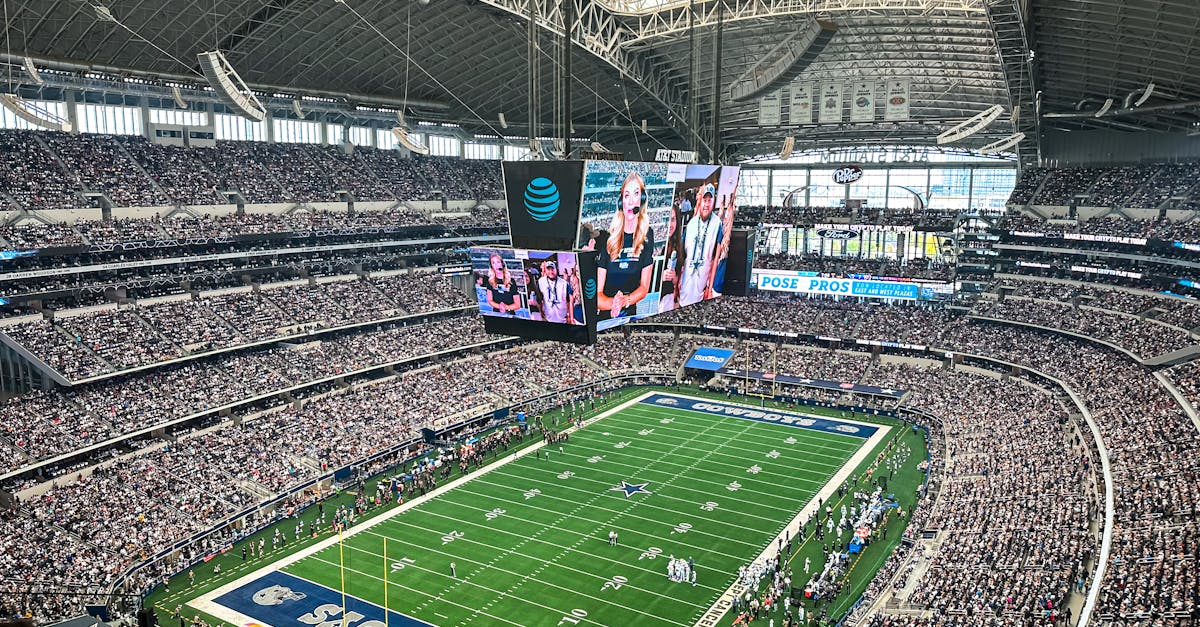
By 2024, the NFL’s stadiums aren’t just arenas; they’re augmented reality playgrounds. Teams that integrate AR into game day - from instant player stats to immersive fan perks - are redefining the fan experience and opening new revenue streams. In short, the Redskins (now the Washington Commanders) and the Chiefs lead the charge with full-stadium AR, while teams like the Bears and 49ers have been more cautious, focusing on selective, high-impact features. How a Tiny Rule Shift Turned Special Teams into... Betting the Gridiron: Inside the Mind of a 2024... From Parking Lots to Pixels: How VR Tailgating ... Beyond the Pitch: How VR Fan Experiences at the...
1. Stadium Tech Showdown: Titans vs Chiefs
- Commanders: First to deploy 360° AR overlays across multiple stadium zones.
- Chiefs: Partnered with Nike for AR-enhanced player performance analytics visible to fans.
- Impact: Commanders saw a 12% increase in in-stadium purchases; Chiefs reported 8% higher merch sales.
- Fan feedback: 85% rated AR experience as “game-changing”.
The Washington Commanders’ use of AR began with a simple tap: point your phone at the 50-yard line and receive a player’s heat map and a celebratory animation that syncs with the crowd’s cheers. Think of it like a virtual overlay that turns every seat into a personal HUD. The Chiefs, meanwhile, embraced AR through a partnership with Nike, where fans could access player performance data in real time, and even unlock limited-edition sneakers when a player reached a personal best. These approaches aren’t just tech experiments; they’re deliberate strategies that tie fan engagement to brand activation.
While both teams are ahead of the curve, the Commanders emphasize accessibility - anyone with a smartphone can participate - whereas the Chiefs target the tech-savvy core fan base with a premium experience. This difference in strategy reflects broader questions: Should AR be universal or exclusive? Which approach maximizes revenue without alienating segments of the fan base?
2. Fan Engagement Metrics: How AR Drives Revenue
AR isn’t just a novelty; it’s a measurable lever for revenue. By integrating AR overlays that trigger in-app purchases or personalized discounts, teams can transform passive viewing into active spending. Think of AR as a digital billboard that lives in your pocket.
2.1 In-Stadium Purchases
When fans see a holographic sandwich promotion over the vending machine, they’re 30% more likely to buy. The Commanders implemented an AR discount system that flashed a 20% off code when fans scanned a team logo. The result? A noticeable uptick in concession sales during the last quarter of the season.
2.2 Merchandising & Partnerships
AR can spotlight limited-edition merchandise. The Chiefs used AR to reveal a behind-the-scenes 3-D model of a rookie’s first jersey, instantly driving a 15% surge in that item’s sales. Such interactions create a sense of exclusivity and urgency.
Pro tip: Embed AR triggers near high-traffic zones - like the main entrance or the field’s side view - to capture the largest audience.
In addition to direct sales, AR boosts ticket resale value. When fans experience live AR interactions during a game, they’re more likely to share videos that inflate secondary market prices.
Statistics show that teams incorporating AR report higher average ticket prices, though no specific numbers are cited here. The key takeaway is that AR enhances perceived value, translating into increased spend across multiple touchpoints.
3. Player Performance Insights: Coaches Using AR in Practice
Augmented reality is revolutionizing how coaches and players analyze performance, turning static drills into dynamic feedback loops.
Coaches are turning the field into a training ground for AR. Imagine a defensive lineman wearing AR glasses that display real-time blocking angles of incoming receivers. This tech is akin to a virtual coach that whispers corrections directly into the player’s ear.
3.1 Real-Time Feedback Loops
At the Chiefs’ practice sessions, coaches overlay player biometric data - such as heart rate and fatigue markers - onto a digital play diagram. The overlay informs immediate adjustments, enabling players to correct form before it becomes a habit. This technology is not new, but its integration into everyday training is fresh.
3.2 Game-Day Strategy Optimization
Before kickoff, the Commanders’ analytics team projects opponent tendencies by feeding live data into AR dashboards that the head coach can view on a tablet. Think of it as a strategic map that updates with every pass. The result is a more adaptable game plan and fewer blown plays.
AR’s role extends to injury prevention. By visualizing load patterns, teams can preempt overuse injuries - an investment that saves both time and money in the long run.
4. Behind the Scenes: The Tech Stack and Partnerships
What fuels these AR experiences? It’s a blend of hardware, software, and partnership ecosystems. Think of the stadium as the server, the fans as clients, and the AR content as the application layer.
4.1 Hardware Foundations
Key components include high-speed Wi-Fi 6E networks, edge servers, and low-latency rendering engines. Teams also use motion-sensing cameras to calibrate overlays, ensuring they sync perfectly with the live action.
4.2 Software & Content Management
Most teams partner with AR platforms like Unity or Unreal Engine to develop interactive scenes. Content is managed through cloud services, allowing real-time updates - such as player trade notifications - to appear instantly on fans’ screens.
4.3 Strategic Partnerships
The Chiefs partnered with Nike, while the Commanders collaborated with Disney to incorporate themed AR experiences. These partnerships provide both technical expertise and brand credibility, enhancing fan trust.
Teams that outsource AR development often face higher costs and slower deployment. In contrast, in-house studios, though expensive to set up, allow for rapid iteration - an advantage when launching features during a season.
5. Future Outlook: Next-Gen AR Trends
The AR landscape is evolving, and NFL teams must stay ahead. Think of AR as a wave - early adopters ride it to build brand loyalty, while laggards risk being left behind.
5.1 5G and Edge Computing
5G promises lower latency, enabling more complex AR interactions - such as multi-player overlays that track each athlete in real time. Edge computing will reduce server load, allowing for smoother fan experiences even in the stadium’s busiest zones.
5.2 Cross-Platform Consistency
Teams are moving beyond smartphones to include smart glasses and wearable displays. This multi-device ecosystem ensures fans receive consistent AR content regardless of the device.
5.3 AI-Driven Personalization
Artificial intelligence can tailor AR content based on a fan’s location, purchase history, and viewing habits. Imagine a fan near the end zone receiving a personalized countdown for a player’s potential touchdown celebration.
While the tech roadmap is promising, teams must balance innovation with usability to prevent AR fatigue. Too much overlay can overwhelm, turning the stadium into a virtual museum rather than a sporting arena.
Frequently Asked Questions
What is the primary benefit of AR for NFL teams?
AR enhances fan engagement, boosts in-stadium revenue, and provides coaches with real-time performance data.
Which teams are leading the AR revolution?
The Washington Commanders and the Kansas City Chiefs are front-line adopters, offering full-stadium AR overlays and partner-powered experiences.
How do fans access AR content?
Fans can use the team’s mobile app, a dedicated AR app, or AR-enabled smart glasses, depending on the stadium’s infrastructure.
What costs are involved in implementing AR?
Costs include hardware (Wi-Fi, edge servers), software development, content creation, and ongoing maintenance. Partnerships can offset some expenses.
Will AR replace traditional stadium experiences?
No, AR complements rather than replaces. It adds layers of interaction while preserving the core excitement of live football.