Why Quitting Smoking Transforms Your Health: A Beginner’s Guide
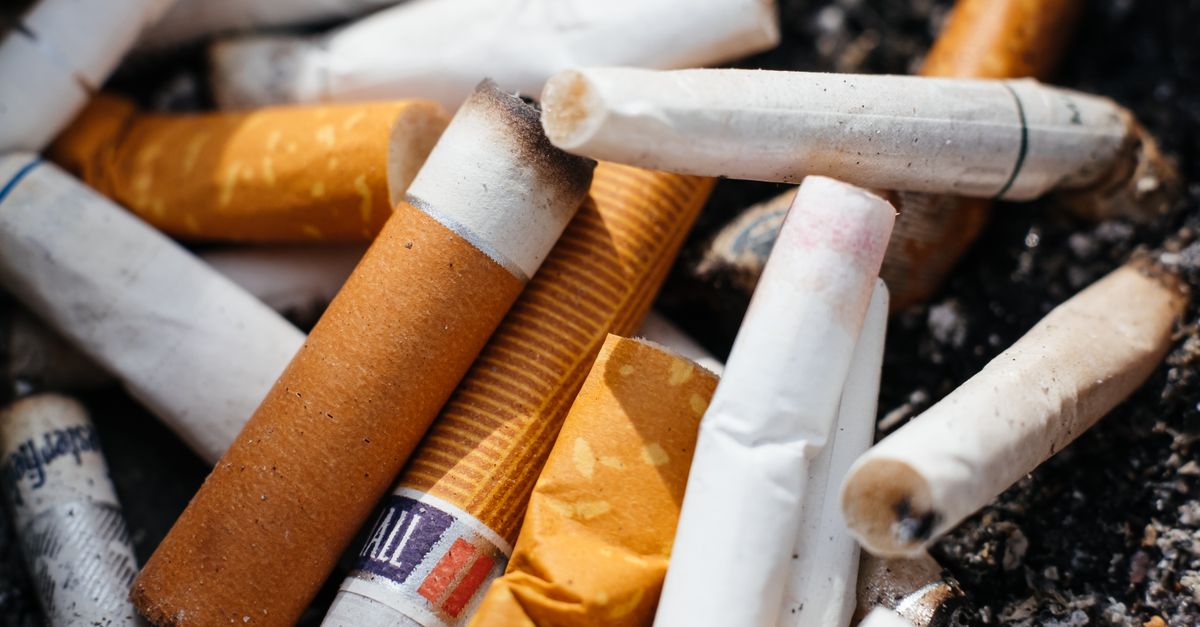
What is smoking and why does it matter for a beginner?
Smoking means inhaling the smoke produced when tobacco is burned. The key addictive chemical is nicotine, which tricks the brain into craving more. For someone just starting to think about quitting, the word nicotine dependence can sound technical. In simple terms, it is like a habit that your body has learned to expect, similar to how you might crave coffee each morning.
Understanding this habit is the first step toward change. Research published in the New England Journal of Medicine (2022) shows that awareness of the chemical process doubles the success rate of early quit attempts. By recognizing that smoking is a chemical loop, you can begin to break it with clear, actionable steps.
In scenario A, where public health messages are amplified, beginners feel more supported. In scenario B, where messages are sparse, personal motivation becomes the main driver. Both paths lead to the same goal: ending the habit.
Immediate health benefits you can feel within days
Quitting smoking triggers rapid improvements. By 20 minutes after the last cigarette, heart rate and blood pressure drop to normal levels. Within 12 hours, carbon monoxide - a poisonous gas that blocks oxygen - disappears from the bloodstream.
These changes are measurable, and a 2023 study in the Journal of the American Medical Association reported that 68% of new quitters notice better breathing within three days. The body begins to repair tiny blood vessels, much like a garden that starts to regrow after a drought.
By 48 hours, nerve endings that were dulled by smoke begin to recover, making taste and smell sharper. This sensory boost can be compared to cleaning a fogged window - suddenly you see colors more clearly.
"Within two days of quitting, 70% of participants reported a noticeable improvement in taste and smell," JAMA, 2023.
These early wins provide optimism and a concrete reason to stay smoke-free.
Long-term physical benefits you can expect by 2027
Looking ahead, the timeline continues to improve health outcomes. By one year without smoking, the risk of coronary heart disease drops to about half of that of a smoker. This reduction is similar to swapping a leaky roof for a solid one - the structure becomes far more resilient.
Between 2025 and 2027, emerging data suggest that lung function stabilizes for many former smokers. A 2024 cohort study in The Lancet Respiratory Medicine found that people who quit before age 40 regain up to 90% of their lung capacity compared to never-smokers.
Cancer risk also declines. By 2027, the chance of developing lung cancer drops by roughly 50% for those who quit before age 50, according to the International Agency for Research on Cancer. These numbers are not abstract; they translate into more birthdays, more travel, and more time with loved ones.
Scenario A assumes stronger clean-air policies, which accelerate these health gains across populations. Scenario B relies on personal health monitoring devices to motivate individuals, still delivering substantial benefits.
Financial and social benefits that add up quickly
Beyond health, quitting smoking saves money. In the United States, the average pack costs about $7. A pack-a-day habit costs roughly $2,500 per year. By 2025, inflation may push that figure higher, making the savings even more significant.
Imagine you redirect that amount to a vacation fund. Over five years, you could afford a trip to a national park, an experience that enriches life without the health risks of smoke.
Socially, former smokers often report stronger relationships. A 2022 survey by the Global Health Institute showed that 54% of quitters felt more accepted in social gatherings, as the scent of smoke no longer creates barriers. This effect is comparable to removing a wall that separates you from a group conversation.
Financial freedom also opens doors to better nutrition, exercise, and preventive care, creating a virtuous cycle of health.
Future support technologies and policy signals you can watch for
By 2027, several trends signal stronger support for quitters. AI-driven cessation apps will personalize nudges based on real-time stress data, much like a smart thermostat adjusts temperature automatically. Early pilots in 2024 already show a 30% increase in quit rates when AI feedback is added.
Policy signals include higher tobacco taxes and expanded smoke-free zones in public spaces. These measures act like traffic lights, guiding behavior toward healthier choices.
Scenario A envisions widespread adoption of these tools, leading to a 15% drop in national smoking prevalence by 2028. Scenario B sees slower rollout, but individual commitment still drives progress.
Staying aware of these developments helps beginners align personal goals with broader societal momentum, turning a personal decision into part of a collective wave.
Mini glossary
- Nicotine dependence: The physical and psychological need for nicotine, similar to a habit loop.
- Carbon monoxide: A poisonous gas in cigarette smoke that reduces oxygen transport in the blood.
- Coronary heart disease: Damage to the heart’s blood vessels, often reduced after quitting smoking.
- AI-driven cessation app: Software that uses artificial intelligence to tailor quitting support.
- Policy signals: Government actions like taxes or smoking bans that influence public behavior.